BLOG
Sustainability is a Must Have, Not a Nice to Have, in Agriculture Today
November 4, 2025
Get the latest from CIBO. Stay connected with news, expert insights and exclusive event invitations.
SubscribeBy Susan Hunt Stevens
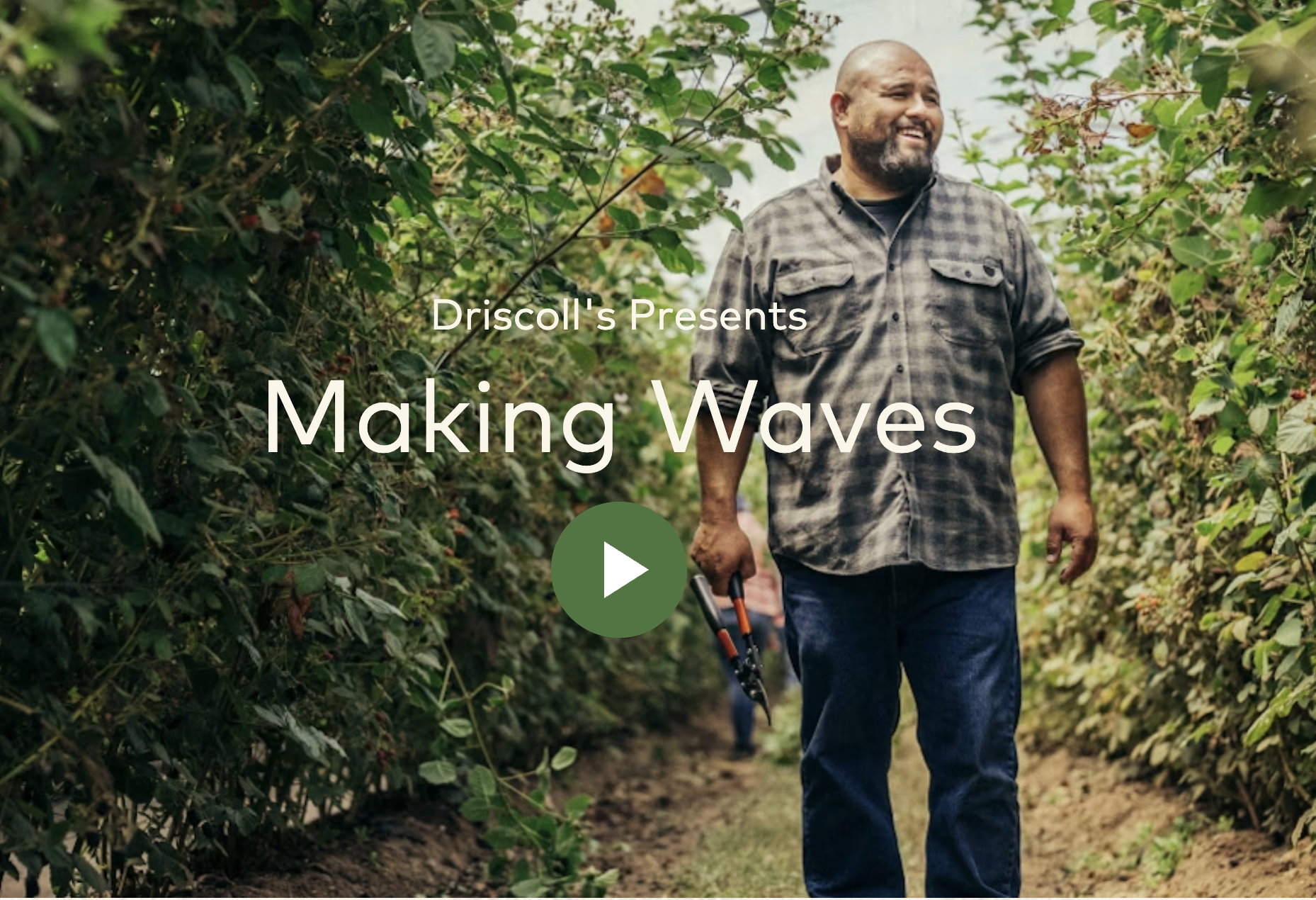
“I know sustainability is what will keep me in business.”
Words spoken by a Driscoll berry farmer, via video, at the Thrive Summit this week. The words landed with a particular poignancy because sustainability professionals are constantly tasked with “making the business case” for adopting more sustainable strategies. To hear a business owner, at the front line of our most essential supply chain, say their sustainability strategy is the linchpin for remaining in business? That packed a punch.
The Driscoll team went on to showcase another video that demonstrated how adopting regenerative no-till practices restored earthworms in the soil and enhanced water retention in drought conditions. They demonstrated how new technology and growing practices reduced water usage by more than 20 million gallons in areas that will be out of water in a not too distant future. Other entrepreneurs at the Summit pitched honeybee vaccinations, carbon emission feedstocks for animal-free butter, and feed additives that are reducing animal deaths in pilots by up to 90%.
The wide diversity of impact might be one of the most compelling aspects of working in sustainable agriculture. Yes, many practices can reduce emissions. But there are so many additional reasons for changing practices and adopting innovations. Dramatic cost savings and profit improvements for farmers (see our recent whitepaper that highlights 10 of the best studies), better nutrient density and soil health. Enhanced ability for farms to withstand damage from disease, heat and drought. Ensuring there are enough bees, gallons of water, and good crop yields to feed a world that may require 70% more food in 25 years.
But in ag, as well as many other industries, the front lines of the value chain are filled with smaller businesses that farm, mine, assemble or manufacture. The big global companies buy indirectly from the frontline through aggregators and therefore, often have minimal exposure to operating on the frontlines themselves. It is extremely rare to hear a Fortune 500 executive on an earnings call, or even on stages at sustainability conferences, say, “Sustainability will keep us in business.” More common is sustainability will “enable us to innovate and outcompete,” “improve our resilience and agility,” “drive ROI” or sometimes, “remain relevant.” It’s framed as a "nice to have" something that will enhance the business. Not a "need to have", or something that could keep them in business altogether.
If some on the frontline of the ag supply chain now believe that sustainability is critical to staying in business, then the transitive property suggests it’s only a matter of time before the bigger players acknowledge it as well. No company can succeed if their supply chain can’t, and a business can likely only “agile” their way to new markets and suppliers for so long.
So what happens when something is critical to staying in business? It becomes front and center. It gets time, focus, financial capital and the most talented human resources. It’s discussed on every earnings call and likely has a dedicated board committee. Dozens, if not hundreds, of innovation projects get green lights to test anything and everything that can ensure surviving, and ideally thriving.
If you asked most sustainability practitioners at food and ag companies if that’s how important their work is currently perceived, you’d get a couple head nods. But many in the industry are dealing with layoffs, budget cuts, program delays, and restructurings. Not what you would want for efforts that are key to ensuring a company and its supply chain survive in extremely unpredictable and challenging times.
What may be needed is a reframing for why regenerative ag matters. A lot of attention, money and focus went into the space as carbon emissions reductions or sequestration promised additional revenue or regulatory tailwinds required more defensible carbon measurement tactics. Both opportunities remain, albeit with slower timelines and more pragmatic expectations.
Sustainable agriculture matters today because people need to eat, the world’s population is growing, and environmental factors are increasingly volatile. No one at the top or middle of the food value chain can afford for a large swath of suppliers to fail. Yet, today in 2025, many farmers are telling us that if they want to survive, they must farm more sustainably. Without farmers, there’s no supply chain. And without a supply chain, there’s no business.
The strategy is clear. If your business relies on farmers, you need to support the transition to regenerative practices and other innovations that will keep farms thriving. That means providing access to funding, connection to agronomic expertise, frictionless data measurement to know what’s working and what’s not, and better risk management (which we’ll discuss in our upcoming webinar)
Instead of evaluating regen ag programs by ancillary revenue or regulatory risk, they should be funded, managed, and measured like a mission-critical necessity—protecting us from the exponentially rising, existential risks at the front lines of our most essential supply chain. The return on staying in business is a pretty straightforward argument to make.